Trusted Nashville Locksmith Service Team
Local locksmith team
Jul 9, 2026 11 min read
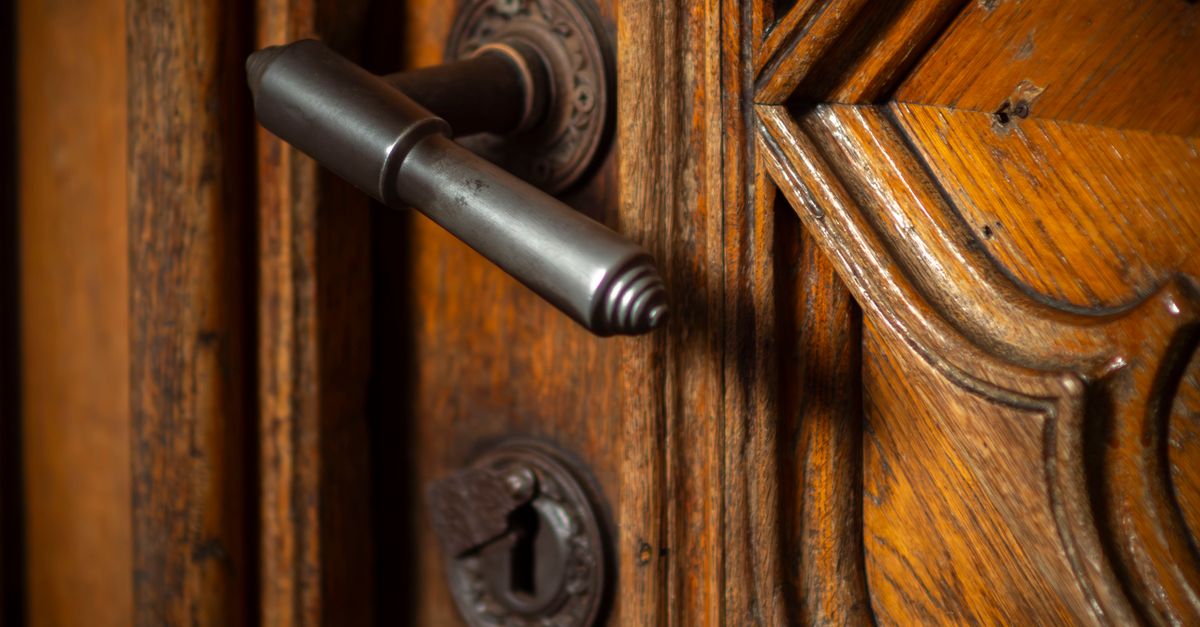
If your Nashville home was built before 1970 — think the historic Craftsman bungalows lining streets like Lischey Avenue in East Nashville or the stately brick colonials of Belle Meade — there is a good chance your front door runs on a mortise lock. Unlike the cylindrical knob-and-deadbolt combos you find on newer construction, a mortise lock set is a self-contained unit that drops into a rectangular pocket (or 'mortise') carved into the door edge. It is a beautifully engineered piece of hardware, and when it is working properly, it is one of the most secure lock options available for an exterior door. But like any mechanical system that has been turning, latching, and deadbolting for decades, these locksets wear down — and they rarely fail all at once. They send warnings first.
Knowing how to read those warnings is the difference between a straightforward repair call and a full door-edge rebuild after a lock fails completely. Below are the five most common signs that your mortise lock needs professional attention, what is actually happening inside the mechanism, and when it makes sense to repair versus replace the entire lockset.
## Sign 1: Your Key Sticks, Binds, or Refuses to Turn Smoothly
A key that once glided in and turned with a single motion now requires jiggling, lifting, or a firm shoulder-into-the-door maneuver — that is the number-one complaint homeowners report before a mortise lock cylinder fails completely. Inside a mortise cylinder, a row of spring-loaded pin stacks must align precisely at the shear line for the plug to rotate. When those springs weaken, when pins wear flat, or when years of dust and dried lubricant turn into gritty paste, the alignment becomes inconsistent. Some days the key works fine; on a cold January morning in Nashville, when the metal has contracted overnight, it refuses entirely. Worn keys make this worse: a key that has been copied two or three generations from the original will have slightly rounded cuts that no longer lift pins to the exact correct height.
The fix depends on the severity. A locksmith can rekey or service the mortise lock cylinder — cleaning, re-pinning, and replacing worn springs — without touching the rest of the lockset. If the cylinder housing itself is cracked or the cam that drives the locking bolt is damaged, a cylinder replacement is the cleaner solution. Baldwin mortise lock cylinders and Corbin Russwin mortise lock cylinders are two of the hardware lines our team works with regularly on older Nashville homes; parts availability varies by series and age, which is one of the factors that affects the final quote for any repair job.
## Sign 2: The Door Knob or Handle Feels Loose, Wobbly, or Spins Freely
On a standard door knob lock, a loose knob usually just means a set screw has backed out. On a mortise lock set, a wobbly or freely spinning knob tells a more complicated story. The knob or lever connects to a square spindle that passes through the lock body and drives the hub and follower — the internal parts that retract the spring latch. When the spindle itself is worn, when the hub cam has cracked, or when the through-bolt connecting the two rose plates has worked loose, the knob loses its mechanical connection to the latch mechanism. You can feel the slop: the handle turns but nothing happens, or it turns a quarter-inch and then catches unpredictably.
Do not wait this one out. A spinning knob on an exterior mortise lock set means that, on a bad day, you could find yourself locked out with a handle that offers no mechanical advantage to retract the latch. If you are already dealing with that scenario, our emergency locksmith team is available around the clock — call (704) 850-6756 and we will dispatch a mobile technician to your Nashville-area address right away. For homeowners who catch the wobble early, a skilled locksmith can often tighten, rebuild, or selectively replace the worn internal components without swapping out the entire mortise lock body.
## Sign 3: The Deadbolt or Latch No Longer Seats Fully in the Strike Plate
Watch your deadbolt the next time you lock up. It should shoot straight, travel its full throw distance, and seat solidly in the strike plate with a satisfying click. If it stops short, drifts at an angle, or requires you to lift the door slightly to engage, something has shifted — and it is rarely just the strike plate. Mortise lock bodies are precision assemblies. The deadbolt cam, the linkage rods, and the toggle mechanism inside must all move in tight coordination. When internal parts wear or break, the bolt travel becomes erratic. Separately, Nashville's climate — humid summers followed by dry winters — causes wood doors to swell and shrink seasonally, which can slowly pull the door frame out of alignment with the lock's geometry.
Before assuming the lock body is at fault, a qualified locksmith will check door alignment, hinge condition, and frame integrity first, because a perfectly good mortise lock set can appear to malfunction when the real culprit is a sagging door or a strike plate that has drifted a quarter-inch over the years. If the lock body is the problem, the internal toggle and cam assembly can sometimes be rebuilt; if the casting is cracked or the mechanism is simply worn beyond spec, replacing the mortise lock body — or upgrading to a new mortise lock set exterior door unit — is the right call.
## Sign 4: Visible Rust, Corrosion, or a Lock That Has Been Through a Break-In Attempt
Tennessee weather is not gentle on hardware. The combination of summer humidity and occasional ice storms creates ideal conditions for rust to develop on the steel components inside and outside a mortise lock. Surface rust on the face plate is cosmetic, but corrosion that reaches the internal cam, bolt, or cylinder is a mechanical problem: corroded springs lose tension, corroded pins seize in their chambers, and corroded bolt assemblies bind or snap under load. If you can see rust bleeding out from the seam between the lock body and the door edge, the internal components are almost certainly affected.
Break-in attempts tell a starker story. Scratches around the keyway mean someone tried to pick or rake the cylinder. A bent or bowed face plate means force was applied to the lock body itself. A mortise lock that has survived a break-in attempt may appear intact but have internal damage — a cracked cam, a bent bolt — that makes it significantly less secure than it looks from the outside. This is exactly the scenario where calling an experienced locksmith for a full assessment, rather than just replacing the cylinder, is the right move. Our commercial locksmith team handles these evaluations for Nashville businesses and residential properties alike, and we can advise whether a repair, a full mortise lock body swap, or an upgrade to a high-security cylinder is the most appropriate response.
## Sign 5: You Are Considering an Upgrade to a Smart Mortise Lock — and Wondering Whether to Replace or Retrofit
This one is less about failure and more about a decision point that many Nashville homeowners reach when they renovate a historic property: the existing mortise lock hardware works, but you want keypad entry, remote access, or integration with a smart home system. A smart mortise lock is a real product category — several hardware manufacturers now produce mortise-format lock bodies with built-in electronics — and they can often be fitted into the same door pocket as a traditional mortise lock set without the extensive door work that installing a new cylindrical lock would require on an old solid-wood door.
The key question a locksmith will assess is whether your existing mortise pocket dimensions match the new hardware's body size, and whether the door thickness and backset measurements are compatible. On pre-war Nashville doors, these dimensions are often non-standard, so a direct swap is not always possible without some woodwork. What this means practically: get a professional measurement before you purchase hardware. Our team can evaluate your existing door, confirm compatibility, and handle the full installation so you are not left with a smart lock that does not fit and a door that cannot close properly. Whether you are in the 37209 zip code running through West Nashville's Sylvan Park neighborhood or further out in Brentwood or Hendersonville, we make house calls across the greater Nashville area seven days a week, any hour of the day or night. Call (704) 850-6756 to schedule a same-day assessment or to reach our emergency locksmith line if the situation cannot wait.
## Repair or Replace? How a Locksmith Nashville Assessment Actually Works
The repair-vs-replace question does not have a universal answer — it depends on the age and condition of the lock body, parts availability for that specific mortise lock set, the security level you need, and whether the door itself is in sound enough shape to hold a new installation properly. A few general rules of thumb: if the lock body casting is intact and the problem is isolated to the cylinder, the latch, or the internal springs, repair is usually the right call and preserves the original hardware character that matters so much on a historic door. If the body itself is cracked, if the lock has been forced, or if parts for that specific mortise lock series are no longer manufactured, replacement is the more honest recommendation.
On pricing: the factors that determine what any mortise lock repair or replacement will cost include the specific lock model and hardware brand, whether parts need to be sourced (and how quickly), the time of day the call comes in, and travel distance to your address. What we never do is leave you guessing — we confirm an exact up-front price before any work begins, so there are no surprises on the invoice. If you want to know how to verify that any locksmith you call operates this way, ask for a written estimate before they touch the lock. A trustworthy technician will have no hesitation providing one.
Frequently asked questions
What is a mortise lock, and how is it different from a regular deadbolt?+
A mortise lock is a complete locking assembly — latch, deadbolt, and often a key cylinder — housed in a single rectangular steel body that is set into a carved-out pocket (the mortise) in the edge of the door. A standard deadbolt, by contrast, is a separate unit bored into a cylindrical hole through the door face. Mortise lock sets are generally more robust because the lock body is larger and carries more mechanical components, which is why they were the dominant choice on American residential and commercial doors through the mid-twentieth century and why so many Nashville historic homes still have them.
How much does a locksmith cost in Nashville for mortise lock repair?+
There is no single flat rate because several variables feed into the final price: the specific mortise lock model and whether replacement parts are readily available, the nature of the repair (cylinder service versus full lock body replacement), the time of day (after-hours and weekend calls involve different logistics), and travel distance to your address. What we do at Trusted Nashville Locksmith is confirm an exact up-front price before any work starts, so you know the full cost and can make an informed decision. Call (704) 850-6756 for a no-pressure phone consultation.
How do I know if a locksmith is reputable before I let them work on my door?+
A few reliable signals: the company answers the phone with a business name rather than a generic greeting, provides a written estimate before starting work, arrives in a marked or identifiable vehicle, and carries verifiable insurance. Ask upfront whether the technician is experienced with your specific lock type — mortise lock sets require different skills than cylindrical locks, and not every locksmith works on them regularly. Be cautious of anyone who quotes an unusually low price over the phone and then dramatically increases it on arrival. At Trusted Nashville Locksmith, we are insured, and we give you a confirmed price before touching anything.
Can I upgrade my old mortise lock to a smart mortise lock without replacing the whole door?+
In many cases, yes — that is the practical advantage of the mortise format. Because the pocket is already cut into the door, replacing the internal lock body with a smart mortise lock unit is less invasive than adding a smart lock to a door that was originally bored for a cylindrical lock. The critical step is confirming that your door's mortise pocket dimensions, door thickness, and backset measurement match the new hardware's specs. On older Nashville homes, these measurements are often non-standard. Our team can measure your existing setup, advise on compatible hardware, and handle the installation so the finished product is both functional and secure.