Why Keys Snap Inside Locks — and What It Means for Your Mortise Lock or Door Knob Lock
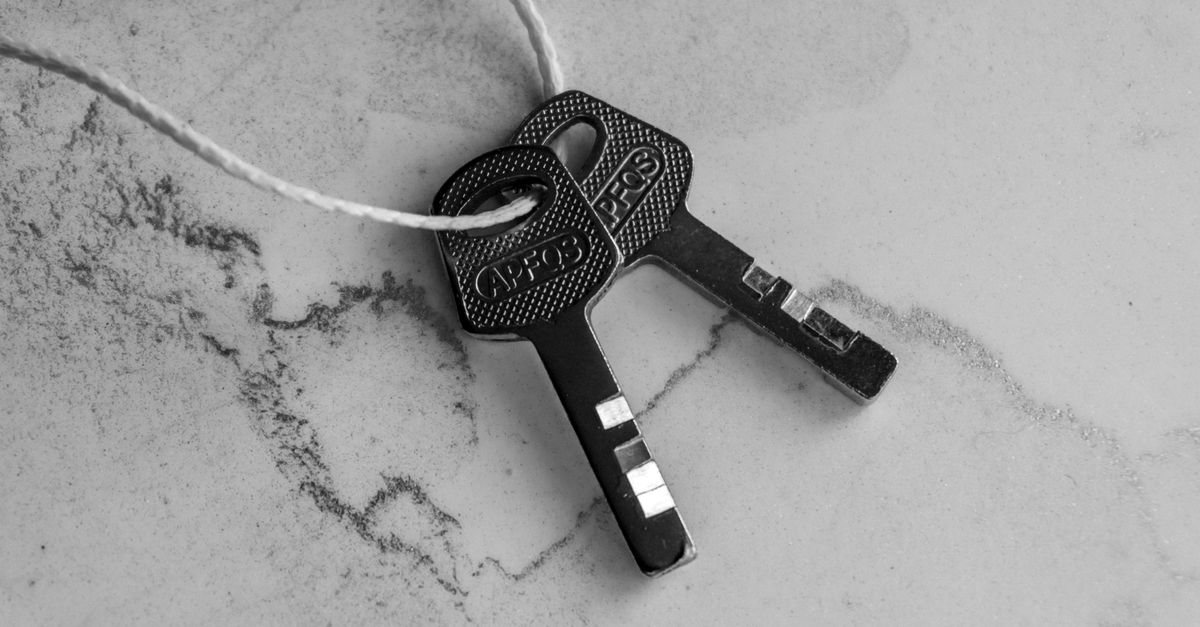
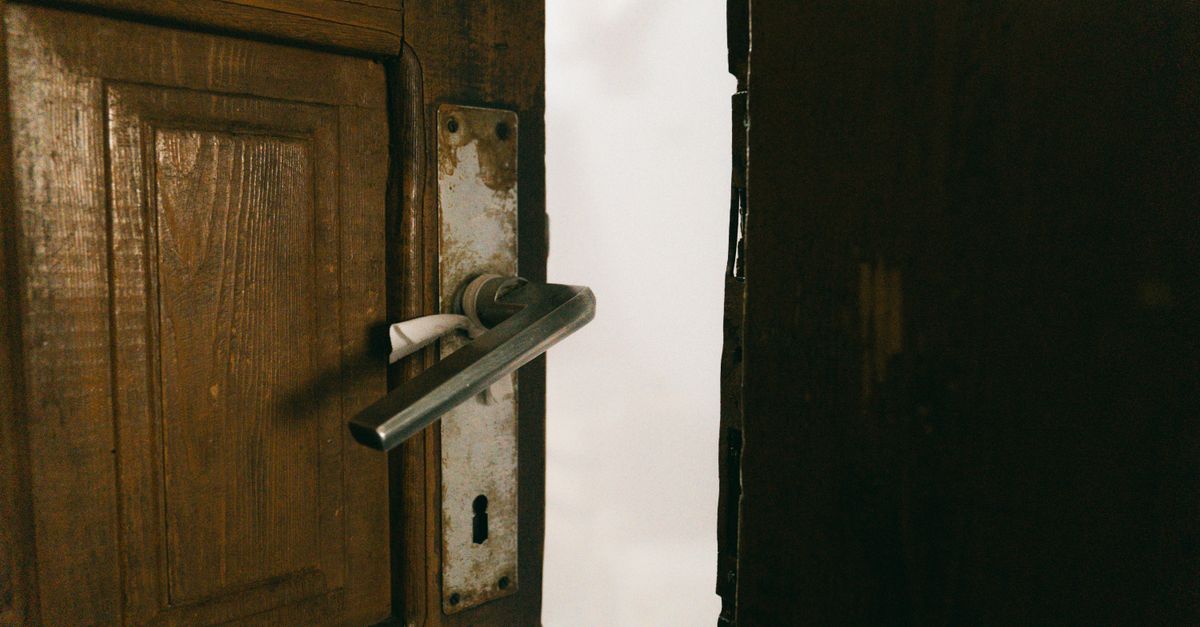
Keys break for a straightforward set of reasons: metal fatigue from repeated bending stress, a key that was already worn thin, forcing a key that does not quite align with the lock's plug, or attempting to turn a lock whose cylinder is stiff from age, lack of lubrication, or debris. Mortise locks — the type commonly found in older Nashville homes, historic commercial buildings along Second Avenue, and multi-family properties throughout Germantown — are particularly vulnerable because their longer throw mechanism creates more resistance when anything is even slightly misaligned. Door knob locks on residential properties also see a high rate of snapped keys, typically because the knob itself has shifted over time and the key must be held at an awkward angle just to engage the tumblers.
When a key snaps, the break almost always happens at the bow-to-blade shoulder — the weakest point on any cut key — and the fragment left behind rarely sits proud of the keyway. More often it is recessed, turning freely with the plug or wedged against the pins, which is exactly what makes DIY retrieval attempts so damaging. Tweezers and needle-nose pliers frequently push the fragment deeper rather than drawing it out, and any scoring of the keyway walls can complicate or even prevent a future re-key without cylinder replacement.