What Is a Mortise Lock and Why Do Nashville Homes Still Have Them?
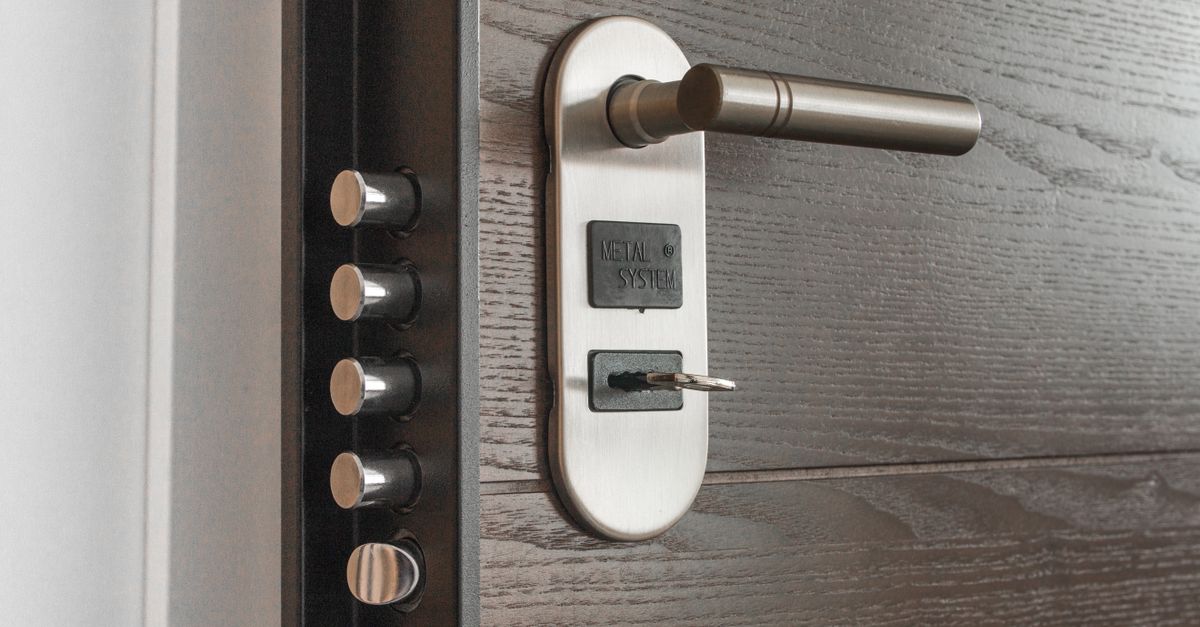
If you have ever peered at the edge of an interior or exterior door in an older Nashville property and noticed a wide metal faceplate instead of a simple latch strike, you are looking at a mortise lock body. Unlike a cylindrical door knob lock that sandwiches between two rosettes, a mortise lock set is a rectangular cartridge that slides into a cavity chiseled into the door stile. Inside that cartridge you will typically find a spring latch, a deadbolt operated by a key cylinder on the exterior, a turn knob or thumb turn on the interior, and sometimes a privacy button — all mechanically linked within a single forged case. Manufacturers like Baldwin, Corbin Russwin, and Sargent produced millions of these units throughout the early and mid-20th century, and a large number are still in daily service across Nashville's older stock.
The reason they lasted this long is exactly why homeowners in areas like East Nashville's Five Points corridor or the older streets around 37209 — including the Charlotte Pike and Sylvan Park pockets — want to keep them: the hardware is exceptionally durable, the aesthetic is irreplaceable, and many properties in historic overlay districts require or strongly encourage preserving original architectural elements. A well-maintained mortise lock from 1940 can still outperform a bargain-bin modern lockset on raw mechanical integrity. The challenge is that when something does go wrong — a worn cam, a cracked case, a stripped cylinder set screw — you need a technician who actually understands the internal mechanics, not someone who only knows how to swap in a Kwikset.